Proficiently analyze capitalization rates, unlocking a deeper understanding of real estate market valuation, risk assessment, and potential investment returns.
The capitalization rate holds significant importance for those investing in real estate, providing a tool to weigh various properties against each other and to gauge an investment’s inherent risk and anticipated profitability. Typically, an elevated cap rate correlates with a greater degree of risk and a higher potential for earnings, while a reduced cap rate points to a lower risk scenario and more moderate returns.
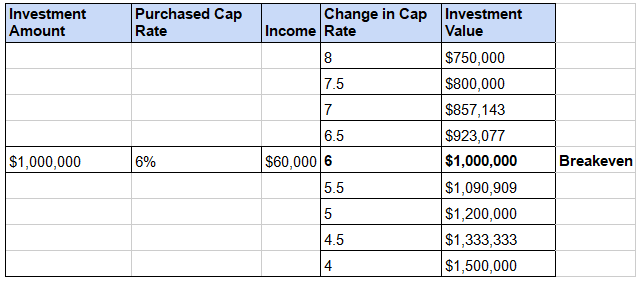
Alterations in capitalization rates can profoundly influence the valuation of real estate. For instance, should cap rates rise, the worth of properties will concurrently decline. This phenomenon occurs because a reduced anticipated yield from an asset makes investors less inclined to pay a substantial price for it. An illustrative chart detailing the impact of varying capitalization rates can be found towards the end of this publication.
Capitalization rates represent an intricate and ever-evolving measure, exhibiting diverse effects on real estate based on various elements. Nonetheless, they constitute a vital instrument for individuals investing in real estate, aiding them in formulating judicious investment choices.